 The Week That Stayed With Me
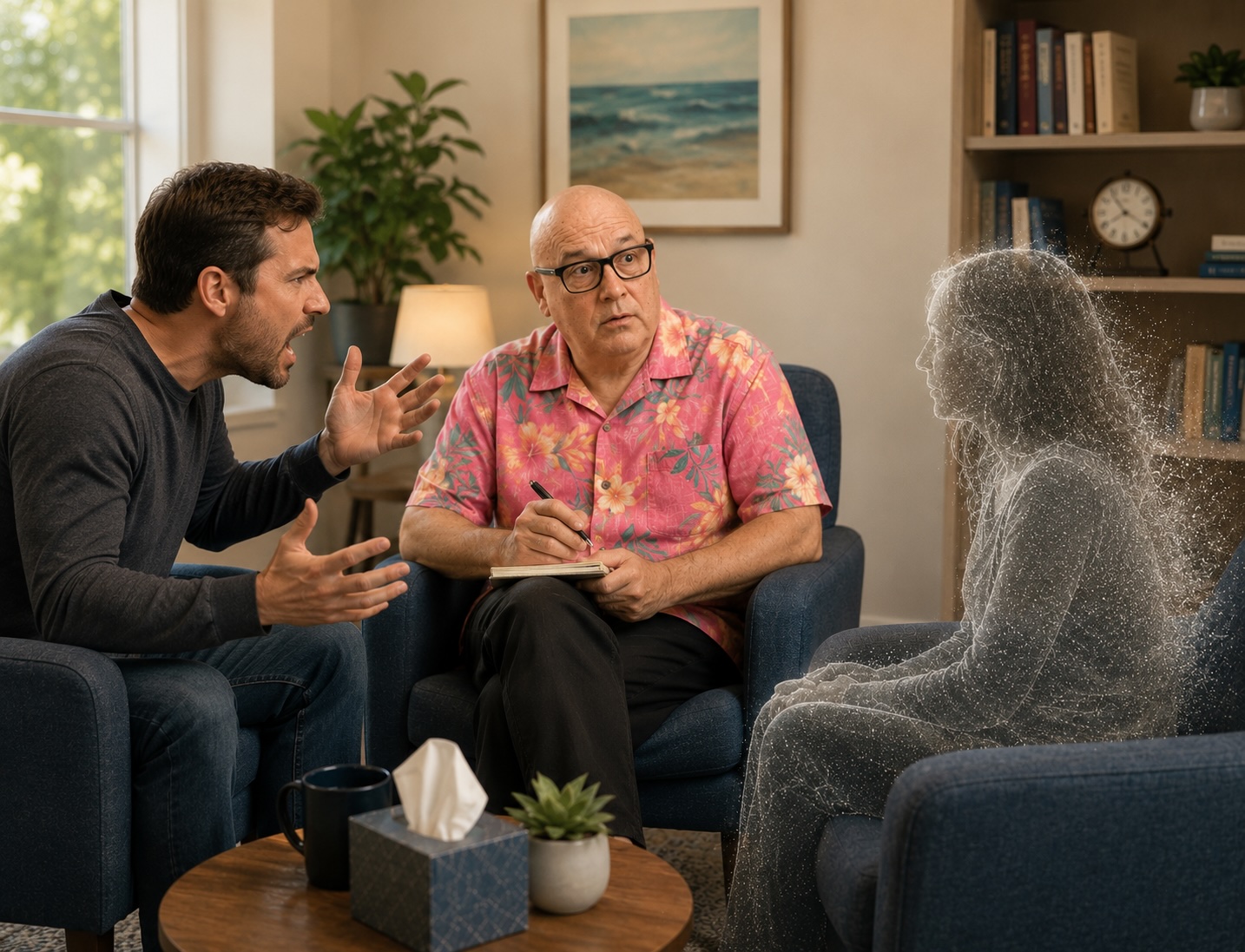
I had a rough week in the office. I love this work, but a few couples left me thinking they needed individual therapy before they could do anything together. That doesn’t happen often. Most couples can stay in the room long enough to slow down, hear each other, and take responsibility for their part of the mess. It isn’t always pleasant, but it’s possible.
This week, it wasn’t.
I’m changing the details, but the tone is the same. Husbands who felt misunderstood. Wives who felt unheard. Men who felt blamed. Women who felt dismissed. Everyone injured. The low point was watching tearful women get interrupted by men who did the same to me when I stepped in. By the end, the women were upset and exhausted while the men were still explaining why their reactions made sense.
These sessions don’t pass through me easily. They stayed with me long after the door closed. My mind kept circling the word that shows up everywhere online: gaslighting.
The Trouble With the Word “Gaslighting”
The internet has turned gaslighting into a catch‑all. Invalidation? Gaslighting. Defensiveness? Gaslighting. Disagreement? Gaslighting. And yes, some of the phrases I heard this week show up in every list:
- “You’re being dramatic.”
- “You’re blowing things out of proportion.”
- “I’m sorry you feel that way.”
Gaslighting is real. It’s serious. It’s what happens when someone tries to erode another person’s confidence in their own perception or memory. Sometimes it’s intentional. Sometimes it isn’t. Either way, the result is the same: the targeted partner begins to doubt themselves.
But as I sat with these sessions, I found myself wondering whether the word was helping me understand what I was seeing.
What I Actually Saw in the Room
The men in front of me didn’t look calculating or cruel. They looked overwhelmed. One experienced any request as criticism. Another felt attacked whenever his wife disagreed. One couldn’t understand why his infidelity was still a problem after the affair ended. Another insisted his belligerence was a reasonable response to his wife’s escalation. They weren’t manipulating reality. They were defending themselves from feelings they didn’t know how to manage.
The problem lived somewhere else — in the relationship, in the expectations, in the history between them. And since these men didn’t believe they were part of the problem, they weren’t curious about their contribution. I’ve seen plenty of online rants describing men like these as controlling or power seeking. Sometimes that’s accurate. This week, it wasn’t. What I saw were men who felt inadequate and blamed, trying to solve a problem they didn’t know how to solve. “Please help me” was getting translated into “You are not enough.”
Understanding that doesn’t excuse the behavior. It does explain why calling someone a gaslighter rarely helps. It becomes one more accusation. One more jab. And the result is predictable: more defensiveness, more escalation, more volume, more interruptions.
Intimidation Without Intent
There’s another piece I don’t see discussed much, and it’s particular to heterosexual relationships: intimidation.
Our nervous systems notice things we don’t always name. Volume. Anger. Interruptions. Emotional intensity. Physical presence. A person becoming larger in the room. Whether or not intimidation is intended almost doesn’t matter. The nervous system responds to what it perceives, not what was meant.
When someone talks at length, with increasing volume, and stops listening, it can be intimidating — especially for people who were raised to keep the peace.
And that’s where the gut punch landed for me this week: watching the women disappear.
When the Nervous System Chooses Safety
Most people know fight, flight, and freeze. Fawn gets less attention. Fawning is what happens when the nervous system decides that accommodation is safer than confrontation. A person softens. They appease. They shrink. From the outside, it can look like agreement. It can even look like progress.
These women began by advocating for themselves. They explained their concerns, challenged what they were hearing, and tried to be understood. Their partners defended themselves, explained their logic, and argued that their reactions made sense. The temperature rose. The men became more activated. Their explanations grew longer and more emphatic.
And then something shifted.
One woman cried. Another went quiet. One softened her language. Another stopped challenging altogether. They disappeared right in front of me.
The men experienced the conversation as finished because the conflict had stopped. The women experienced it as impossible because continuing no longer felt safe or worthwhile. The room shrank. The range of acceptable thoughts narrowed. The person most comfortable with conflict took up all the emotional space. Neither of them was lying. They were living in two different worlds.
And the problem itself stayed exactly where it was.
Why the Work Had to Shift
Couples therapy assumes both people can tolerate influence. It assumes both can stay present, examine themselves, and ask hard questions about their own behavior. When one partner can’t yet ask, “What is my contribution here?” the work sometimes needs to become individual before it can become relational.
That’s why I recommended individual therapy.
For what it’s worth, being referred to individual therapy doesn’t mean anyone is a villain or that the relationship is doomed. It means the changes the relationship needs are more likely to come from individual work than from couples work. Therapy is therapy, but couples therapy is different than individual therapy. And the work in front of each partner was different, which often makes individual therapy the better place for those needs to be met.
You won’t be surprised that the men declined the referrals and the women accepted them. People seek help for problems they believe they have, not for problems someone else believes they have.
Even so, these relationships can get better. Life is larger than the moments that unfold in a therapy office. Better self‑understanding, better communication skills, and a clearer sense of relational patterns can change a relationship.
What Couples Therapy Can and Can’t Do
My pride requires me to add that couples therapists help many couples. People do change, relationships can heal, and even difficult ones can be treated well through couples work. But couples therapy is often about communication, and communication skills need a foundation that isn’t always there. Put another way, sometimes the first step isn’t learning to communicate better. Sometimes it’s understanding why one person has stopped speaking and why the other can’t hear anything except criticism. Until those questions are answered, communication techniques don’t have much to stand on.
In this relationship. Or the next.